
Engineering Discipline
Zero-Defect Production Lines Through Precise, Automated Visual Inspection
Manual visual inspection is slow, inconsistent, and expensive. FERSMEK integrates Cognex and Keyence machine vision systems that inspect every part, at full production speed, with measurable accuracy above 99.8%.
See How It Works
Vision Systems in Action
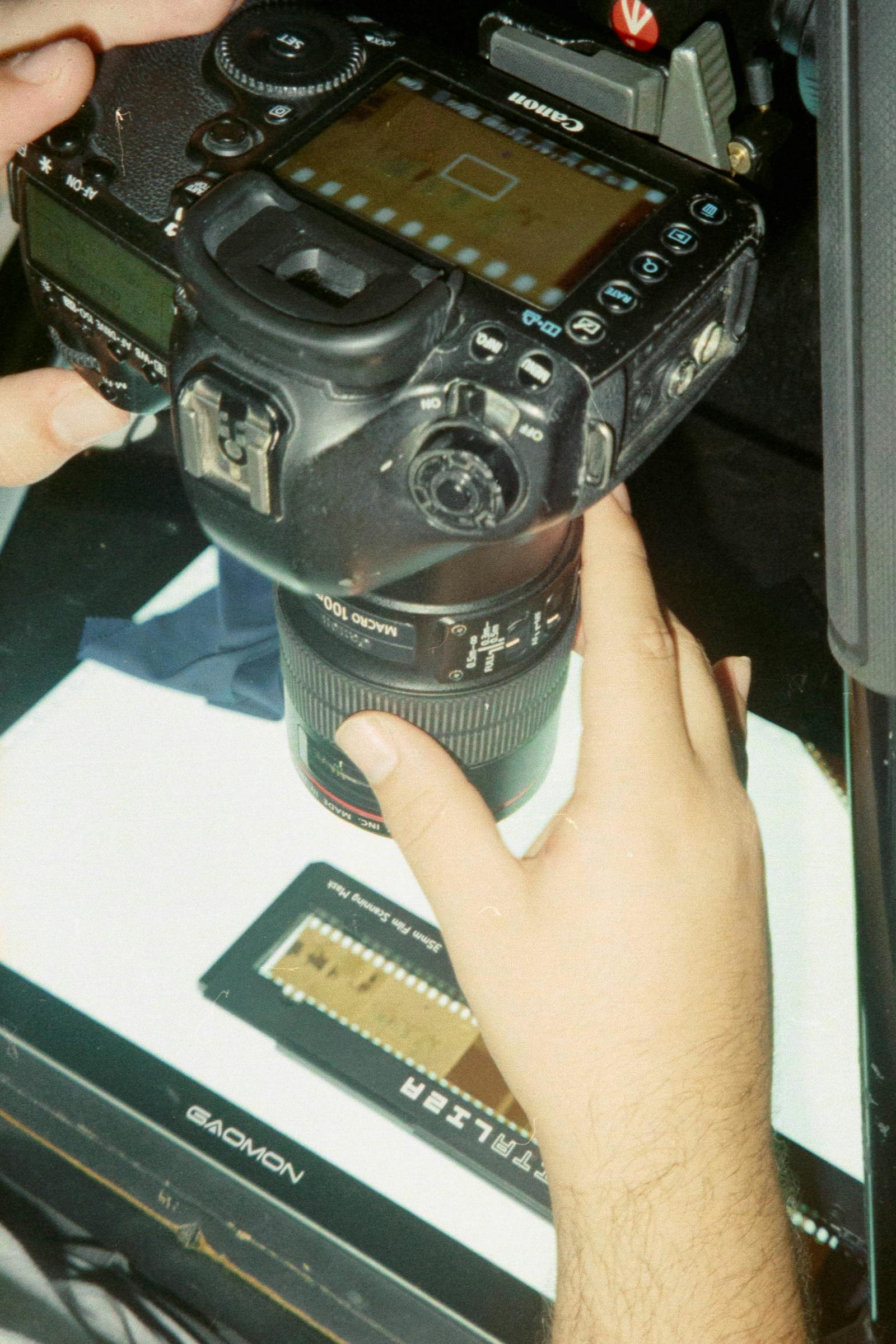
Inline machine vision for 100% defect inspection — AOI, dimensional measurement, and barcode verification at production speed.
What We Do
Machine vision replaces the most inconsistent element in a production line: the human eye. A well-integrated vision system inspects every part at full throughput, applies the same acceptance criteria on every shift, and generates quality records automatically — without fatigue, without sampling, and without variation between operators.
FERSMEK designs and integrates machine vision systems from feasibility to production validation. We handle camera and lighting selection, algorithm development on actual production samples, PLC reject integration, and MES quality data connection — as a single, integrated scope. You don't need a separate vision integrator, a separate automation engineer, and a separate software developer to get a working inspection station.
Defect Inspection
Surface defect detection, assembly verification, and cosmetic inspection using area-scan and line-scan cameras at production speed. Vision algorithms are configured and trained on actual production samples — not generic demo images — so the system is tuned to your real part variation and acceptable cosmetic range before go-live.
Dimensional Measurement
Non-contact 2D and 3D dimensional measurement for tolerance verification — replacing manual gauging with automated, 100% inspection. Measurements are recorded per part and can be exported to your MES or SPC system for statistical process control and traceability. Sub-pixel accuracy achievable for fine-tolerance applications.
Barcode & OCR Reading
1D/2D barcode reading, DataMatrix and QR code verification, OCR character recognition for label and date code verification. Reading performance is validated against your lowest-quality codes — not perfect print samples — because production barcodes degrade, and the system needs to handle real-world variation reliably.
Colour & Presence Verification
Colour classification, component presence/absence detection, and polarity verification for PCB and assembly applications. FERSMEK configures dedicated lighting to ensure colour accuracy is not affected by ambient light variation — critical for applications where reject decisions are made on colour alone.
AOI Integration
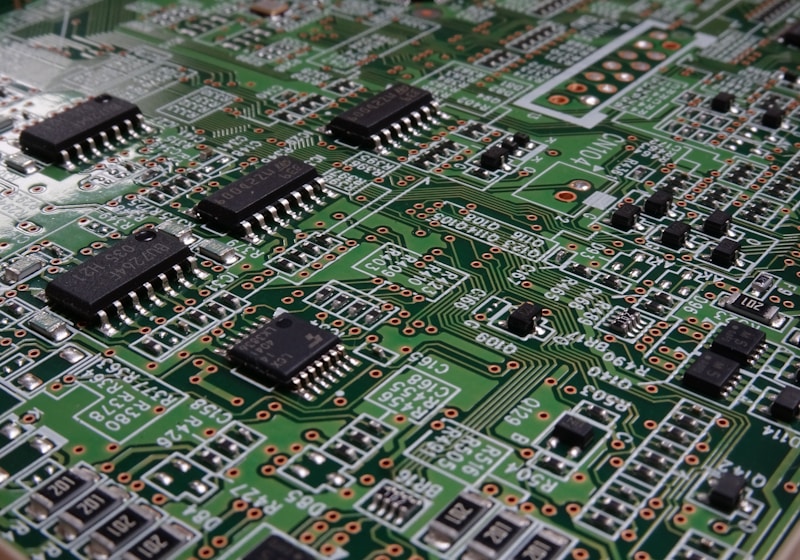
Automated Optical Inspection cell design and integration — from camera and lens selection to lighting, reject handling, and MES feedback. We design the full AOI station including part presentation, lighting enclosure, reject lane, and operator feedback display. Vision check results feed directly to PLC reject logic and MES quality records.
Robot-Guided Vision
Vision-guided robot picking, placement, and bin-picking using 2D and 3D vision systems for flexible part handling. Camera-to-robot calibration, coordinate transformation, and pose estimation are handled as an integrated system — not separate deliverables. Bin-picking systems include the gripping strategy and collision avoidance configuration.
Cognex & Keyence Platform Expertise
Smart cameras (In-Sight) and PC-based vision (VisionPro) for complex inspection tasks. PatMax edge-finding, OCR, and deep learning-based inspection tools.
High-speed vision controllers (XG series) and standalone smart cameras (CV series) for colour, shape, and presence/absence applications.
Laser profilers and displacement sensors for 3D profile measurement, height inspection, and weld bead geometry verification.
Vision System Integration Process
AOI Integration for SMT PCB Inspection — 100% Coverage at 3,600 Boards per Hour
An electronics contract manufacturer operating two SMT lines needed 100% solder joint and component presence inspection without slowing their throughput. FERSMEK designed an inline AOI station using Cognex In-Sight 9000 with multi-angle LED dome lighting, integrated with the existing Siemens PLC reject conveyor. Vision algorithms were trained on 2,400 known-good and 180 known-defect boards collected from production. The system was validated with a blind test set of 300 boards before go-live. Quality records for every board — including fail images — are exported to the client's MES for traceability and SPC analysis.
Frequently Asked Questions
Related Services
Know Exactly What a Vision System Will Catch on Your Line
We test with your actual parts before you commit to a system. Request a feasibility study and see the detection results before the proposal.